7 business tips to succeed in an ever-changing technology landscape — Tech Collective

The pandemic has helped to drive a digital transformation all over the world, with work processes migrating online. In a survey conducted by McKinsey last year, a majority of the respondents recognized the need for a technological transformation in order for their companies’ business models to stay economically viable, with 64% saying that their companies […]

7 business tips to succeed in an ever-changing technology landscape — Tech Collective

Are You at Risk of a Corporate Account Takeover?

by Vince Liuzzi
Executive Vice President and Chief Banking Officer, DNB First


Phishing-151123Strategic. Financial. Competitive. Regulatory. The business landscape has always been laden with different types of risk. And today with the explosive growth in cyber theft, business owners are faced with significant fraud risks, including a serious and growing one that’s cost businesses of all sizes tens of thousands of dollars: corporate account takeovers. A corporate account takeover occurs when cyber thieves gain access to your online banking accounts to initiate wires and other fraudulent transactions out of your accounts.

Beware of phishing and other scams

To carry out their work, thieves will often target your employees to gain access to your company’s online banking platform. They may utilize phishing scams,

where they pose as credible organizations, such as your bank or the Better Business Bureau, to attempt to access your company’s online banking credentials. Employees may then inadvertently download malware, allowing cyber thieves to take control of their computers and access sensitive information. Thieves may also attempt to reach your staff by phone or through social media to get personal information.

Reducing your company’s risk

It’s important to be aware that cyber thieves will target any size business. So whether you have 2 or 200 employees, your business could be at risk of a corporate account takeover if you make electronic transactions. There are, however, some steps you can take to protect your company and the money you’ve worked so hard to earn:

  • Warn your employees. Share with them some of the tactics cyber thieves use and encourage them not to download or click on any suspicious emails or links.
  • Monitor your accounts regularly for suspicious activity and transactions.
  • Divide online banking tasks among employees and computers.
  • Look for suspicious emails and install SPAM filters.
  • Install anti-virus software and keep it up to date.
  • Don’t click on links from unknown virus protection software programs.
  • Instruct employees to regularly change passwords. Passwords should be mixed with letters and numbers and be difficult for others to ascertain.
  • Log out after each online banking session and never leave computers unattended.
  • Ensure employees do not access online banking from public places with public Internet access.
  • Look for changes in the performance of your computer. If you notice a dramatic change in your computer’s processing speed or your computer frequently freezes, run a scan immediately.

At DNB First, we are committed to making your Online Banking experience as secure as possible. By increasing your knowledge and awareness of corporate account takeovers and other online scams, you’ll have one less risk to worry about, giving you more time to manage all those others.

Related links:

http://www.aba.com/Tools/Function/fraud/pages/corporateaccounttakeoversmallbusiness.aspx

More Secure Purchasing Will Soon Be In Your Hands

by Vince Liuzzi
Executive Vice President and Chief Banking Officer, DNB First


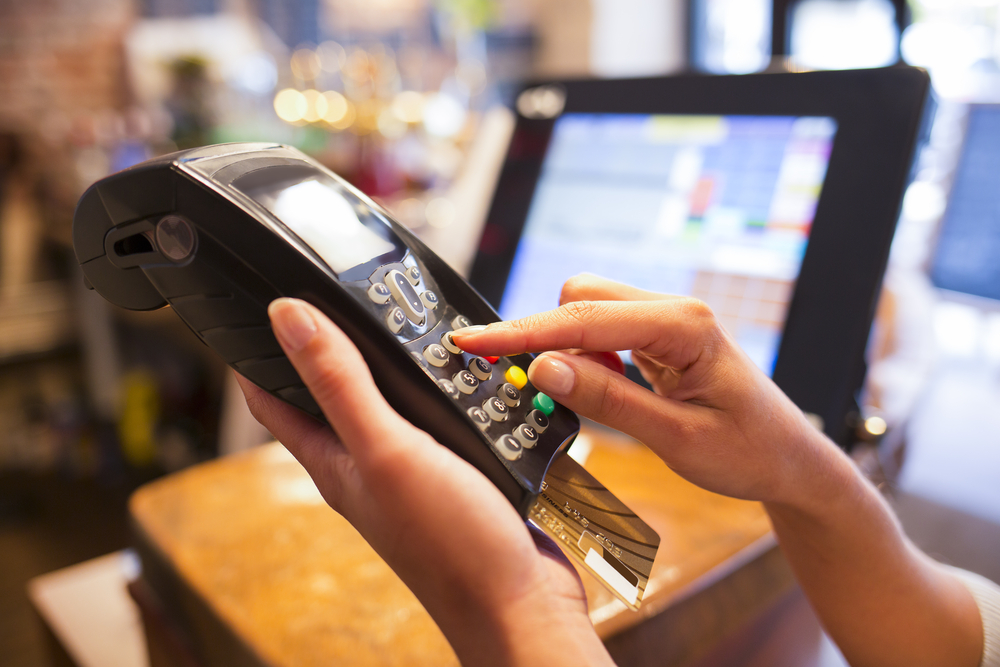
shutterstock_159873380-EMVThe stories vary. One might involve a dishonest waitress or employee who secretly writes down your credit card information. Another could be a crook who bumps into you with a skimming device that reads the magnetic strip on the debit card in your wallet. Or, there might be a data breach with a retailer.

However it happens, the result is always the same — your debit or credit card is compromised, resulting in the loss of money and something even more valuable – your sense of security.

Fortunately, there’s a new generation of card technology that’s coming to America to help prevent credit and debit card theft – EMVTM cards. Coined after the initial sponsors of the technology – Europay, MasterCard, and Visa – these “smart cards” are debit cards that contain microchips that make purchasing even more secure. When inserted in a special merchant EMV terminal at the point of purchase, these cards generate a unique one-time code. This code makes it impossible for thieves to duplicate your card.

Though this technology is relatively new in America, EMV cards have already been used in other countries around the world, including Canada, the United Kingdom, and Mexico. Many financial institutions have already or will soon replace cards with the new technology.

Here are some important things to know about EMV cards:

  • The technology only works with special EMV card readers. If you have a debit card equipped with the EMV technology, the added level of protection, i.e., the unique one-time code, will only be generated at merchant locations equipped with EMV terminals.
  • To use an EMV card at a point of sale, you must dip your card rather than swipe into the terminal slot. This allows the terminal to read the chip and may result in a slightly longer wait time.
  • If a merchant does not have an EMV terminal, you can still swipe your card and use it as you normally would.
  • If you’re a merchant and accept credit and debit card payments, switching to the new EMV technology will allow you to reduce your company’s liability.

In the coming months, we at DNB First will begin issuing new EMV cards to our cardholders. It’s just another small way that better, more secure banking will be in the cards for you.

Related links:

http://usa.visa.com/personal/security/chip-technology/emv-chip.jsp

http://www.creditcards.com/credit-card-news/emv-faq-chip-cards-answers-1264.php

The Future of Banking: It’s Still Personal

by Vince Liuzzi
Executive Vice President and Chief Banking Officer, DNB First


Technology. It’s constantly changing the way we live – and bank. Where we once took out our checkbooks in the grocery line, today we’re swiping debit cards. Where we once trekked to the bank to make deposits, we’re now making them in a snap from our smartphone cameras.

There’s no question, banking is changing in ways many of us never thought possible. And it’s not just banks that are the catalysts for this change. With services like Apple Pay and Google Wallet, which let you use your mobile device to pay for purchases, technology companies are putting new ways to transact into consumers’ hands. And that brings up an important question:

Will you even need to have a bank in the future? shutterstock_205333372

In short, the answer is yes. Banks offer a very significant benefit that these technology companies can’t – a relationship. Maintaining a relationship with a bank will allow you to –

  • Access a range of financial services – under one roof. Technology companies may bring you the latest innovations, but they can’t do something banks do very well – offer multiple financial services in one place. Banks can provide you with checking, savings, mortgage, even retirement solutions – allowing you to simplify your financial life and leverage relationship benefits.
  • Get personal service. Technology companies are great on convenience, but often not so great on service. Smaller technology companies, in particular, usually operate with fewer staff, which means if you encounter a problem or have a question, you can’t get assistance as easily as you could from your bank. And when it comes to something as important as your money, getting personal assistance is critical. 
  • Be protected. Banks understand the importance of protecting your account and personal information and are vigilant about dedicating resources and staff to ensure the highest level of security. Knowing you’re with an institution that’s dedicated to guarding your money can help you sleep better at night.

The bank of the future.

The good news is that having a banking relationship in the future doesn’t mean you have to sacrifice technology. The optimal solution is to choose a bank that’s dedicated to investing in technology and partnering with technology companies to deliver the high level of convenience you want without sacrificing the protection and personal service you need.

At DNB First, for example, our customers can access a full range of financial services that allows them to bank when and where they want. If or when they need assistance or guidance, they can simply pick up the phone or visit one of our branches for personal service. And let’s face it, no matter where technology takes us in the future, the importance of that will NEVER change.