Opportunity Zones: Increasing Investment Where It’s Needed Most

June 27th, 2019

FORT WAYNE, Ind. – How can Northeast Indiana and Fort Wayne boost development in economically distressed communities?

Many federal incentive programs have been created over the years, including the New Markets Tax Credit, Empowerment Zones and more; however, the newest investment incentive—Opportunity Zones—may have the most significant tax benefits yet.

Check out this great review of the program – be sure to check out the webinar on the opportunity zones hyperlink – it’s a fantastic overview of the program and gives great examples on how public and private partnerships come together to help communities success. We are #bettertogether

neindiana.com/news/opportunity-zones

Insights on the Second Set of Qualified Opportunity Zone Regulations

Insights on the Second Set of Qualified Opportunity Zone Regulations

Insights on the Second Set of Qualified Opportunity Zone Regulations


— Read on commercialobserver.com/2019/06/insights-on-the-second-set-of-qualified-opportunity-zone-regulations/

Really good overview of Opportunity Zone program.

10 Simple Things You Can Do For Your Team Today to Make Their Day Better

Helping your team feel good each day is a role every leader should play. It doesn’t have to be a big thing or complicated. Sometimes the easiest actions can be the most important in helping to create engagement and make each day a little better for everyone. Here are some simple ideas for you to try.

10 Simple Things You Can Do For Your Team Today to Make Their Day Better

https://effectiveretailleader.com/10-things-make-their-day-better/
— Read on effectiveretailleader.com/10-things-make-their-day-better/

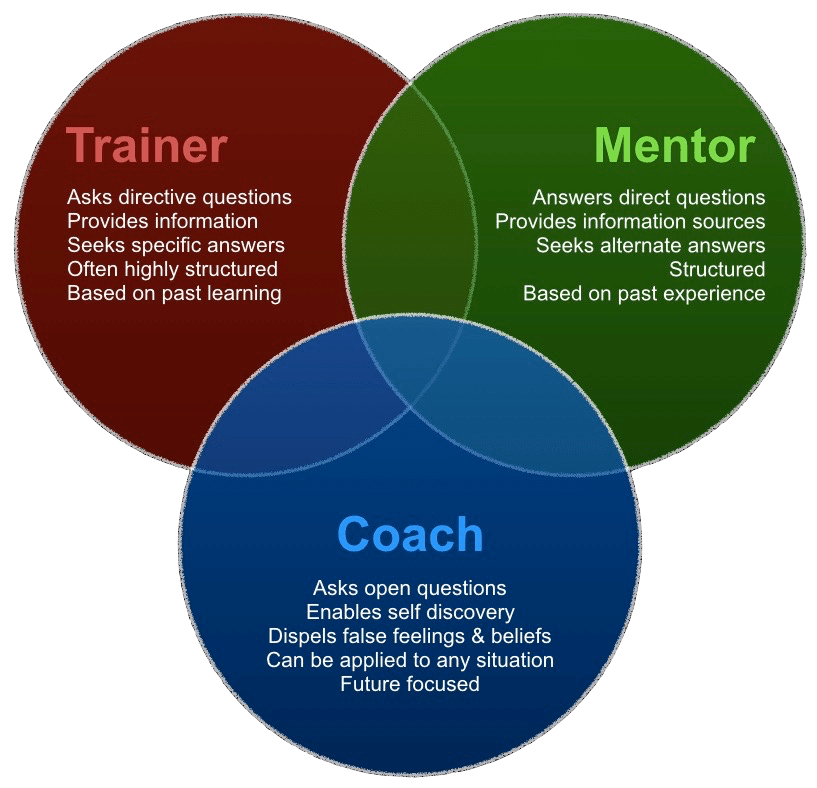
Coaching, Training or Mentoring

Good overview centered on people development. Effective leaders demonstrate and use these skills to drive employee performance and engagement.

nathanwood.consulting/2017/12/04/the-differences-between-training-coaching-and-mentoring/

https://nathanwoodconsulting.files.wordpress.com/2017/12/development-styles.png

Thinking of a refinance – what’s holding you back?

Since 2012, many consumers across the United States took advantage of low rates and refinanced their high rate mortgages, lowering monthly payments and freeing up cash for other purposes. If you happen to be one of the approximately 20 million households who have never refinanced, and are paying 6% or more on your mortgage, you may want to take advantage of the current environment and refinance now, but hurry – time’s a wastin!

Continue reading “Thinking of a refinance – what’s holding you back?”

Start your IRA planning now!

Yes it really is that time of the year. Millions of Americans will spend the next couple months preparing to file their tax returns. Undoubtedly, many of them will make the reactive decision to open an IRA account through this process. The April 15th deadline for IRA contributions to be counted for the previous tax year is a big driver of this increase in activity. Continue reading “Start your IRA planning now!”

January – the month of financial triage

This was the headline on an article I read recently about holiday spending and the impact to an individual’s credit score.  The headline referenced the fact that consumers typically start the new year with a fresh view and perspective on their household finances after a period of heavy spending and debt creation – what about the previous 10 months of the year?  The fact is, we must be focused on developing healthy fiscal habits throughout the year; proactively creating overall better money habits – avoiding the need for financial trauma care.

A recent study by Fidelity of 2014 New Year Financial Resolutions, reports that 54% of Americans are considering making new financial resolutions this new year – up from 35% in 2009.  This increase reflects an accelerating, and continuing need for people to develop and maintain effective fiscal habits in a constantly changing, and at times uncertain environment.  Americans report a need to focus more on savings, debt reduction, expense reduction, and long term planning.

Your trusted banking professional or relationship manager can work with you to develop tactics and strategies that will help you not just succeed, but flourish financially in the new year.   When selecting a financial services partner, choose a firm and professional team that truly understands your individual needs and long term objectives.  Consider a full-service community bank like DNB First who offers a broad range of financial products and services, locally delivered through a neighborhood based, multi-channel distribution system.  A leader in the region, DNB First offers an authentically local relationship banking experience and has been banking customers in the community since 1860.

Start the year with a renewed commitment to developing more effective money habits.  Don’t wait until January to “triage” your finances.  An effective partnership with your community based financial services provider will help you improve your own personal money habits throughout the year.  Have a year-long focus on your finances – consult with your banker today to learn ways to improve your own personal fiscal fitness!

–          Vince Liuzzi, Executive Leader Greater Philadelphia community

Introducing… Your Community Bank Wealth Advisor!

Financial planning is a very important and very sensitive matter for consumers to tackle. When individuals think about and reflect on their future with respect to financial growth and stability, they are caused to deal with so many “what if” scenarios. What should I do if rates sharply rise? How about if they fall? How can I feel secure about my investment portfolio in an uncertain economy? How does the local economy factor into my decision making – should it? What investment strategy is appropriate given my current life stage and goals? How should I be looking at protecting my assets and ensuring an income stream consistent with my lifestyle choices? WOW – so many important questions to ask that must be answered.

Forward thinking community banks like DNB First (DNBF) are expanding the services they provide to include wealth management, trust services, investment planning and insurance. These services are delivered to bank customers through licensed and professional, experienced advisors who have a deep and core understanding of their client’s needs. These days, wealth services provided by some community banks are delivered with similar platforms that clients may experience when dealing with a major, national banking or financial services giant. The capacity for community banks to offer these services has improved dramatically. This has created an environment where customers of smaller banks can experience services consistent with some of the major players.

The big difference of course, comes down to the relationship that community banks enjoy with their customers. Large banking giants drive “referral” programs where customer information is shared from one part of the operating entity to the other. This creates an environment where the main relationship manager becomes secondary to the wealth or investment professional. Effective community bank models “introduce” or INCLUDE the professionals into an already effective rapport with the bank relationship manager. Like the song says, “You want to go where everybody knows your name.”

The subtle word difference between referral and introduction is actually an important distinction to make. When working with your bank or financial institution, find out if you are being “referred” away to someone else, or if a licensed investment professional is being “introduced” or included in an already effective banking relationship. It makes a huge difference in how you experience your bank!

Vincent Liuzzi

Executive Leader